
Everything You Need to Know About Epilepsy
You’ve likely heard of epilepsy many times. Epilepsy is a neurological disorder rooted in abnormal and irregular electrical activity of the brain’s nerve cells, manifesting as recurring seizures. This electrical storm can affect various parts of the brain, leading to a wide range of symptoms and signs, including involuntary movements, loss of consciousness, and sensory changes.
Despite its long history, epilepsy remains shrouded in ambiguity and concern. In this article, we will explore different aspects of epilepsy, from diagnosis and causes to symptoms, genetics, mechanisms, and its difference from seizures. Join us as we delve into this condition.
Diagnosing Epilepsy
Diagnosing epilepsy is a step-by-step process aimed at confirming the presence of the condition, determining the type of epilepsy, and finding its underlying cause. This process involves gathering medical information, physical examinations, various tests, and, in some cases, specialized brain assessments.
Medical History and Physical Examination: The doctor will begin by asking detailed questions about your medical history, symptoms, and lifestyle. They will then conduct a thorough physical examination to rule out other potential causes of your symptoms.
Electroencephalogram (EEG): This test records the electrical activity of the brain and is one of the most important tools for diagnosing epilepsy. During an EEG, electrodes are attached to your scalp and your brain waves are recorded. There are different types of EEGs that can be used to diagnose epilepsy, including:
Standard EEG: This type of EEG is performed in the doctor’s office and usually lasts 20 to 30 minutes.
Long-term EEG: This type of EEG is performed for 24 hours or more and can record your brain activity during your daily routines.
Video EEG: This type of EEG records your activities simultaneously with recording your brain activity. This can help the doctor identify the type of seizure you are experiencing.
Brain Imaging: Imaging tests such as MRI or CT scans can be performed to examine the structure of the brain and identify any abnormalities that may be causing seizures.
Other Tests: In some cases, the doctor may order other tests such as blood tests, genetic testing, or neuropsychological tests to investigate potential causes of epilepsy.
Differential Diagnosis: The diagnosis of epilepsy must be differentiated from other disorders that can cause symptoms similar to seizures, such as fainting, sleep disorders, and mental disorders.
Determining the Type of Epilepsy: After confirming the diagnosis of epilepsy, the doctor will determine the type of epilepsy you have based on the type of seizure, the location where the abnormal electrical activity starts in the brain, and other factors.
Finding the Underlying Cause: Finally, the doctor will try to identify the underlying cause of your epilepsy. This helps to choose the best treatment and prevent future seizures.
Causes or Pathology of Epilepsy
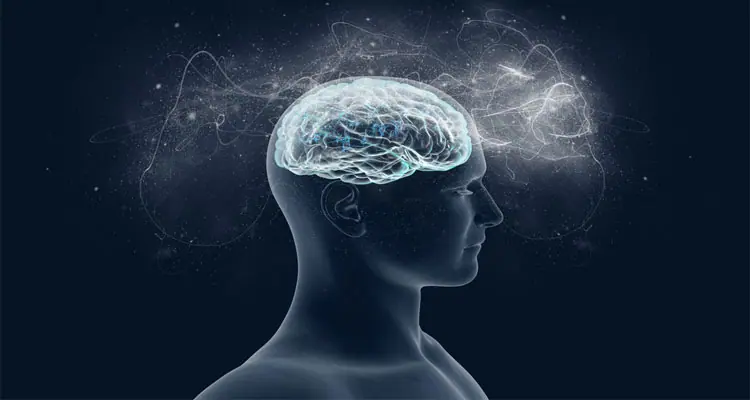
As we mentioned earlier, epilepsy is a neurological disorder manifested by recurrent seizures. This condition has multiple causes and roots. However, the causes of epilepsy can be divided into two main categories:
Hereditary Causes:
Gene Mutations: Mutations in more than 200 different genes can be linked to an increased risk of epilepsy. These mutations can affect how ion channels, neurotransmitters, and other vital components of the brain function, creating a predisposition to abnormal electrical activity and, ultimately, seizures.
Genetic Syndromes: Some genetic syndromes, such as Down syndrome and amyotrophic lateral sclerosis (ALS), can also increase the risk of epilepsy.
Acquired Causes:
Brain Injuries: Accidents, strokes, infections, and tumors are among the most common acquired causes of epilepsy. These injuries can damage brain cells and their connections, creating a predisposition to seizures.
Lack of Oxygen at Birth: Deprivation of oxygen during birth can damage the brain and increase the risk of epilepsy.
Congenital Abnormalities: Some developmental brain abnormalities that occur before birth, such as cortical malformations, can increase the risk of epilepsy.
Autoimmune Diseases: Some autoimmune diseases, such as autoimmune encephalitis, can attack the brain and cause seizures.
It is important to note that in some cases, the cause of epilepsy remains unknown. This is known as idiopathic epilepsy.
Pathology of Epilepsy
The pathology of epilepsy refers to the study of structural and functional changes in the brains of people with this condition. These changes can occur at different levels, from brain cells to complex neural networks. Some of the most important findings in the pathology of epilepsy include:
Changes in Brain Cells: Brain cells of people with epilepsy may have abnormalities in their structure, function, or connections.
Brain Cell Death: In some cases, recurrent seizures can lead to brain cell death.
Changes in Neural Networks: The brain’s neural networks of people with epilepsy may have abnormal connections or activity.
Understanding the pathology of epilepsy helps scientists in developing new and more effective treatments for this condition.
Epidemiology
Unlike many other diseases, epilepsy is by no means contagious or transmissible. This means that a person with epilepsy cannot transmit the condition to another person through close contact, coughing, sneezing, or sharing personal items.
Perhaps this perception is created due to the dramatic nature of epileptic seizures in some people. However, it is important to remember that epilepsy is not an infectious disease, but rather a result of functional disorders within the brain itself.
However, in very rare cases, epilepsy can indirectly be associated with another person under certain conditions:
Epilepsy Caused by Parasitic Infections: In some regions of the world, infection with certain parasitic worms can lead to epilepsy. However, these infections are not transmitted through direct contact with an infected person, but through specific routes, such as contaminated water or soil.
Epilepsy Caused by High Fever: In rare cases, very high fever in children can cause febrile seizures. These seizures usually resolve when the fever goes down and do not develop into chronic epilepsy.
In summary, epilepsy is a non-contagious condition and there is no need to worry about its transmission from an infected person to a healthy person.

Signs and Symptoms
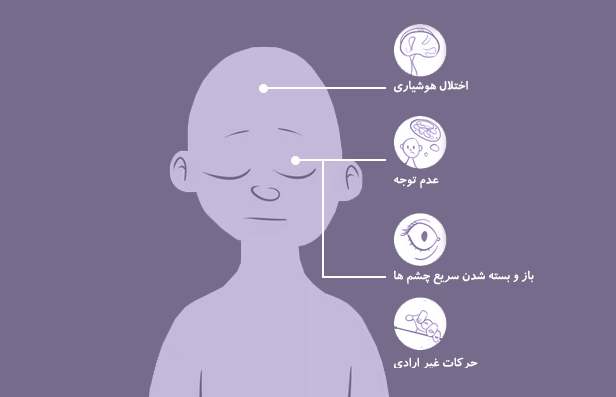
Epilepsy manifests with a wide range of signs and symptoms. These symptoms can vary from mild to severe and can be different depending on the type of epilepsy and the affected area of the brain. The most common symptom of epilepsy is a seizure. A seizure is a temporary storm of abnormal electrical activity in the brain that can lead to a range of neurological symptoms. There are different types of seizures, each with its own specific signs and symptoms:
Tonic-Clonic Seizures (Grand Mal): This type of seizure is the most common type of epilepsy and is characterized by sudden loss of consciousness, muscle stiffness (tonic), and shaking (clonic) throughout the body.
Absence Seizures (Petit Mal): This type of seizure is characterized by sudden and short-term lapses in consciousness (usually a few seconds) without any abnormal movements.
Myoclonic Seizures: This type of seizure is characterized by sudden and rapid muscle twitches (usually in the arms, legs, or face).
Focal Seizures: This type of seizure involves only one part of the brain and can cause a wide range of symptoms such as muscle weakness, numbness, tingling, sensory disturbances, visual or auditory hallucinations, and mood changes.
Signs and symptoms of epilepsy, other than seizures, can also include the following:
Dizziness: Feeling confused or lightheaded
Aura: Experiencing an unusual sensation, such as seeing lights or hearing sounds
Memory Problems: Difficulty remembering recent events
Mood Disorders: Mood swings, anxiety, or depression
Sleep Problems: Insomnia or excessive sleepiness
Behavioral Problems: Aggression, irritability, or personality changes
In some cases, people with epilepsy may not have any noticeable symptoms. This is known as asymptomatic epilepsy. The severity and frequency of seizures in people with epilepsy can vary greatly. Some people may have seizures only a few times a year, while others may have them several times a day.
Genetic Symptoms
Studies have shown that genetics play an important role in developing this condition. Mutations in more than 200 different genes can be linked to an increased risk of epilepsy. These mutations can affect how ion channels, neurotransmitters, and other vital components of the brain function, creating a predisposition to abnormal electrical activity and, ultimately, seizures.
However, having a genetic mutation alone does not mean that someone will develop epilepsy. Environmental factors and other factors can also play a role in the development of this condition. Some genetic symptoms associated with epilepsy include:
Family History of Epilepsy: If one of your family members has epilepsy, your risk of developing the condition is also increased.
Genetic Syndromes: Some genetic syndromes, such as Down syndrome and amyotrophic lateral sclerosis (ALS), can also increase the risk of epilepsy.
Chromosomal Abnormalities: Some chromosomal abnormalities, such as Fragile X syndrome, can be associated with an increased risk of epilepsy.
In some cases, genetic mutations associated with epilepsy occur de novo (new). This means that these mutations are not present in either parent and are randomly created during the formation of the embryo.
Diagnosing genetic epilepsy can be challenging. Your doctor will use family history, physical examinations, and various tests to determine if genetics are involved in your epilepsy. In some cases, genetic testing may be performed to identify mutations associated with epilepsy. This test can help your doctor choose the best treatment and prevent future seizures.
Secondary Symptoms
In addition to the primary symptoms of epilepsy, this condition can also lead to a range of secondary consequences. These complications can include the following:
Learning and Memory Disorders: People with epilepsy, especially in childhood, may have difficulty learning new things at school or at work. These people may have difficulty remembering newly learned information or recent events. Overall, focusing and paying attention to details can be challenging for people with epilepsy.
Behavioral and Mood Disorders: People with epilepsy may experience mood swings, anxiety, depression, or irritability. Typically, aggression, stubbornness, lying, and other behavioral problems may be seen in these people. In some cases, epilepsy can lead to changes in a person’s personality.
Social and Emotional Disorders: People with epilepsy, due to fear of seizures or other problems, tend to avoid social activities and are often involved in emotional problems and disorders.
Physical Problems: People with epilepsy may feel unusually tired. Insomnia or excessive sleepiness may be seen in people with epilepsy, which also often causes severe headaches.
The severity and type of secondary complications of epilepsy can vary in different people. Some people may not experience any secondary complications, while others may struggle with a wide range of problems.
It is important to know that treating epilepsy and controlling seizures can help reduce or eliminate many of the secondary complications of this condition. Also, rehabilitation and support programs can help people with epilepsy manage their condition and improve their quality of life.

Mechanism of Epilepsy
As mentioned at the beginning of this article, epilepsy is a neurological disorder that is rooted in abnormal electrical activity in the brain. To better understand this condition, it is necessary to take a closer look at its mechanism.
Normal Electrical Activity of the Brain: The human brain is made up of billions of nerve cells called neurons. These neurons communicate with each other through electrical and chemical signals. The electrical activity of the brain in a normal state has regular patterns that control thoughts, emotions, movements, and other bodily functions.
Abnormal Electrical Activity in Epilepsy: In people with epilepsy, a group of neurons in a particular area of the brain undergoes sudden, abnormal electrical activity. This abnormal activity turns into a storm of electrical activity, which is called a seizure.
Causes of Abnormal Electrical Activity: Various causes can lead to abnormal electrical activity in the brain and, ultimately, seizures, including:
Genetic Mutations
Brain Injuries
Congenital Abnormalities
Autoimmune Diseases
Developmental Disorders
Types of Seizures: The type of seizure depends on the location of the onset of abnormal electrical activity in the brain and how it spreads to other parts of the brain. There are different types of seizures, each with its own specific signs and symptoms.
Consequences of Seizures: Seizures can cause a wide range of neurological signs and symptoms, including sudden loss of consciousness, muscle stiffness, shaking, sensory disturbances, hallucinations, and mood changes. In some cases, seizures can lead to brain damage or even death.
Diagnosis of Epilepsy: The diagnosis of epilepsy is based on the patient’s history, physical examination, and various tests including EEG, brain imaging, and blood tests.
Treatment of Epilepsy: The treatment of epilepsy depends on the type of epilepsy, the severity of symptoms, and other factors. There are different treatments for epilepsy, including medications, surgery, and vagus nerve stimulation.
Prognosis of Epilepsy: The prognosis of epilepsy can vary in different people. Some people can completely control their seizures with appropriate treatment, while others may experience recurrent seizures and medication side effects.
Overall, a deeper understanding of the mechanism of epilepsy is of great importance and can have many effects on the recovery of patients.
The Difference Between Seizure and Epilepsy
Seizure and epilepsy are two terms that are often used interchangeably, but in fact, they are separate concepts with their own nuances. A correct understanding of the distinction between these two concepts is important not only for healthcare professionals but also for the general public.
Seizure
A seizure is a sudden disturbance in the electrical activity of the brain that leads to behavioral, sensory, or motor changes. This transient state can occur in any area of the brain, and its symptoms will vary depending on the affected area. A seizure can manifest as involuntary muscle movements, sensory changes such as seeing lights or hearing strange sounds, or even a disturbance in the level of consciousness and memory.
Epilepsy
In contrast, epilepsy is defined as a chronic brain disorder characterized by a predisposition to recurrent seizures. This predisposition is due to abnormal and continuous activity of nerve cells in the brain. Epilepsy is associated with a wide range of causes, including genetics, brain injury, stroke, and infection.
Conclusion
Finally, in this article, we have discussed and explored the condition of epilepsy in depth. Epilepsy is a complex condition with different dimensions that can significantly affect the lives of those living with it. However, a deeper understanding of this condition, including its causes, mechanisms, symptoms, and treatments, helps us better manage it and improve the quality of life of patients.