Epilepsy, a neurological disorder characterized by recurrent seizures, casts a shadow over the lives of millions worldwide. These seizures, stemming from abnormal electrical activity in the brain, can trigger a wide range of symptoms, from brief lapses in awareness to intense movements and loss of consciousness.
Fortunately, epilepsy is no longer an incurable condition. With remarkable advances in medical science, a broad range of treatments are available to control seizures and improve the quality of life for people with epilepsy.
In this article, we aim to provide a comprehensive review of these treatment methods. From anti-epileptic drugs to electrical nerve stimulation, brain surgery, and specific diets, we will describe each of these methods in full detail, highlighting their advantages, disadvantages, and use cases. Join us as we explore these options.
Treatment Methods for Epilepsy
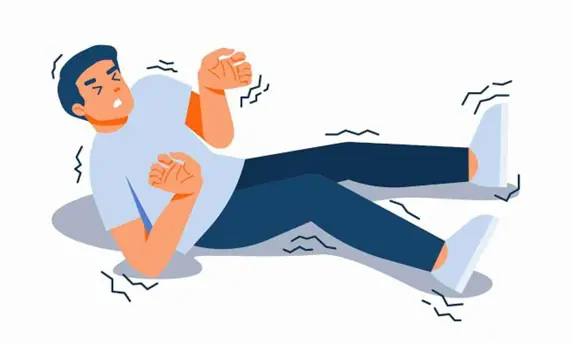
The best treatment method for epilepsy depends on various factors, including the type and severity of seizures, medical history, age, and lifestyle of the patient. Here are some common treatment methods:
Medications
Epilepsy Nerve Stimulation (ENS)
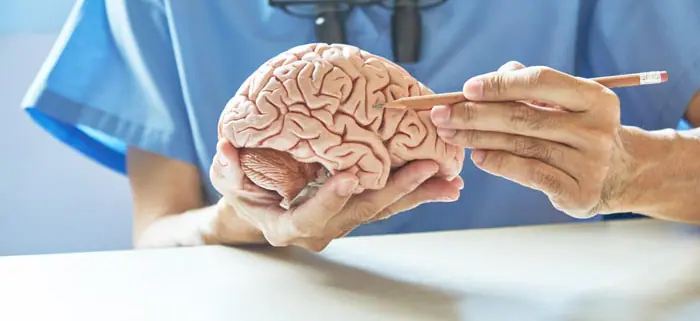
Brain Surgery
Diet
We will now delve into each of these in detail.
Anti-Epileptic Drugs
Anti-epileptic drugs (AEDs) are the most common treatment for epilepsy. There are many different types of AEDs, and each works through a different mechanism of action. Your doctor can prescribe the most suitable AED for you and determine the correct dosage.
AEDs are usually taken orally, but some can also be administered by injection. It’s important to take AEDs as prescribed by your doctor, even if you are feeling better. Missing doses or stopping medication can lead to seizures.

Keep in mind that AEDs can cause side effects. The most common side effects include:
Fatigue
Dizziness
Weight gain
Memory problems
Mood changes
If you experience side effects, inform your doctor. They may be able to adjust your dosage or prescribe a different medication.
Here are some of the most common AEDs:
Carbamazepine (Tegretol)
Lamotrigine (Lamictal)
Levetiracetam (Keppra)
Topiramate (Topamax)
It’s important to remember that AEDs are not a cure for epilepsy. They can only help control your seizures. If you are taking AEDs, you should regularly see your doctor to monitor your progress.
Epilepsy Nerve Stimulation (ENS)
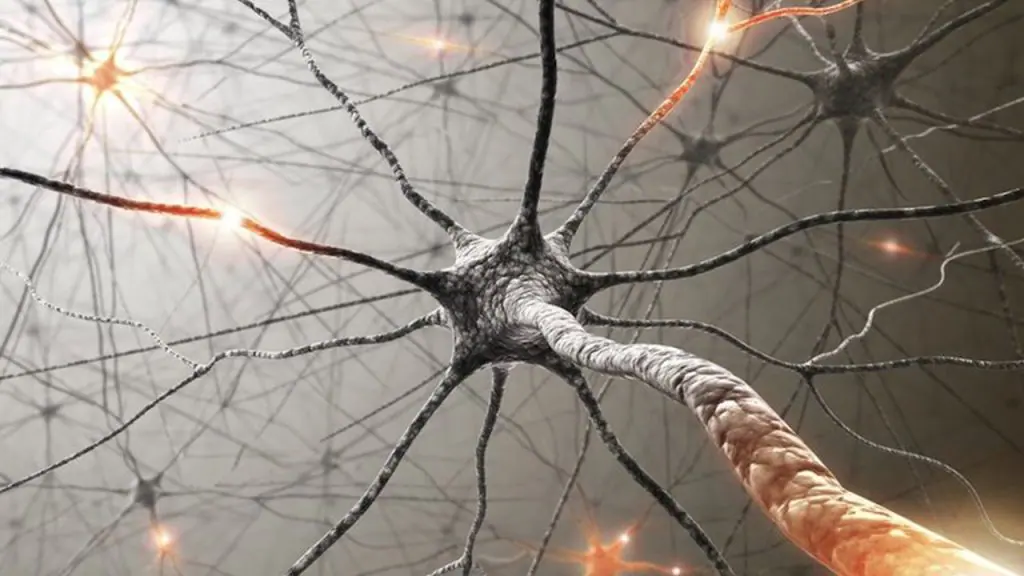
Epilepsy Nerve Stimulation (ENS) is a modern treatment for controlling drug-resistant seizures in patients with epilepsy. This method uses mild electrical stimulation to modulate the abnormal activity of the brain, helping to reduce the number and severity of seizures.
How ENS Works
In ENS, thin, tiny electrodes are implanted under the scalp. These electrodes are connected to a small generator placed under the skin of the chest. The generator sends electrical pulses of a regulated frequency and intensity to the electrodes, influencing the electrical activity of the brain.
Types of ENS
There are two main types of ENS:
Vagus Nerve Stimulation (VNS): In this method, electrodes are connected to the vagus nerve, which runs from the brainstem to various organs in the body. Vagus nerve stimulation can help modulate overall brain activity and reduce seizures.
Deep Brain Stimulation (DBS): In this method, electrodes are implanted directly into specific areas of the brain that are responsible for causing seizures. DBS sends more precise stimulation to the location of seizure origin and can be helpful for patients who do not respond to VNS.
Advantages of ENS
Reduction in Seizure Number and Severity: Studies have shown that ENS can significantly reduce the number of seizures in patients with drug-resistant epilepsy.
Improved Quality of Life: By reducing seizures, ENS patients can enjoy a more active and fulfilling life without the limitations imposed by frequent seizures.
Reduced Need for Medication: In some cases, ENS can reduce or completely eliminate the need for anti-epileptic medication.
Safety and Tolerability: ENS is generally safe and well-tolerated. Common side effects include feelings of tingling, prickling, and changes in voice, which are usually mild and manageable.
Contraindications for ENS
Pregnancy: ENS is not recommended during pregnancy.
Brain Infections: Implantation of electrodes can be dangerous if there is an active brain infection.
Certain Heart Conditions: ENS may not be suitable for patients with certain specific heart conditions.
Keep in mind that AEDs can cause side effects. The most common side effects include:
Fatigue
Dizziness
Weight gain
Memory problems
Mood changes
If you experience side effects, inform your doctor. They may be able to adjust your dosage or prescribe a different medication.
Here are some of the most common AEDs:
Carbamazepine (Tegretol)
Lamotrigine (Lamictal)
Levetiracetam (Keppra)
Topiramate (Topamax)
It’s important to remember that AEDs are not a cure for epilepsy. They can only help control your seizures. If you are taking AEDs, you should regularly see your doctor to monitor your progress.
Epilepsy Nerve Stimulation (ENS)
Epilepsy Nerve Stimulation (ENS) is a modern treatment for controlling drug-resistant seizures in patients with epilepsy. This method uses mild electrical stimulation to modulate the abnormal activity of the brain, helping to reduce the number and severity of seizures.
How ENS Works
In ENS, thin, tiny electrodes are implanted under the scalp. These electrodes are connected to a small generator placed under the skin of the chest. The generator sends electrical pulses of a regulated frequency and intensity to the electrodes, influencing the electrical activity of the brain.
Types of ENS
There are two main types of ENS:
Vagus Nerve Stimulation (VNS): In this method, electrodes are connected to the vagus nerve, which runs from the brainstem to various organs in the body. Vagus nerve stimulation can help modulate overall brain activity and reduce seizures.
Deep Brain Stimulation (DBS): In this method, electrodes are implanted directly into specific areas of the brain that are responsible for causing seizures. DBS sends more precise stimulation to the location of seizure origin and can be helpful for patients who do not respond to VNS.
Advantages of ENS
Reduction in Seizure Number and Severity: Studies have shown that ENS can significantly reduce the number of seizures in patients with drug-resistant epilepsy.
Improved Quality of Life: By reducing seizures, ENS patients can enjoy a more active and fulfilling life without the limitations imposed by frequent seizures.
Reduced Need for Medication: In some cases, ENS can reduce or completely eliminate the need for anti-epileptic medication.
Safety and Tolerability: ENS is generally safe and well-tolerated. Common side effects include feelings of tingling, prickling, and changes in voice, which are usually mild and manageable.
Contraindications for ENS
Pregnancy: ENS is not recommended during pregnancy.
Brain Infections: Implantation of electrodes can be dangerous if there is an active brain infection.
Certain Heart Conditions: ENS may not be suitable for patients with certain specific heart conditions.
Risks and Side Effects
Infection
Bleeding
Nerve damage
Seizures
Ketogenic Diet
The ketogenic diet is a specific, high-fat, low-carbohydrate diet used to treat epilepsy, particularly in children. This diet helps to control abnormal electrical activity in the brain and reduce seizures by making changes in the body’s metabolism.
How the Ketogenic Diet Works
In the ketogenic diet, the body uses fats to produce ketones, instead of glucose (sugar), as the primary source of energy. Ketones are molecules that are produced in the liver from fats and can be transported to the brain through the bloodstream. The brain can use ketones as an alternative energy source.
Advantages of the Ketogenic Diet for Epilepsy
Seizure Reduction: Studies have shown that the ketogenic diet can significantly reduce the number of seizures in children with drug-resistant epilepsy.
Improved Quality of Life: By controlling seizures, children can enjoy a more active and happier life without the limitations imposed by frequent seizures.
Reduced Need for Medication: In some cases, the ketogenic diet can reduce or completely eliminate the need for anti-epileptic medication.
Uses for the Ketogenic Diet
Drug-Resistant Epilepsy: The ketogenic diet is useful for children who do not respond to anti-epileptic medications or experience significant side effects.
Dravet Syndrome: This diet can be effective in treating this rare genetic disorder, which is accompanied by drug-resistant seizures.
Other Neurological Disorders: Research suggests that the ketogenic diet may also be helpful in treating other neurological disorders such as Alzheimer’s disease, Parkinson’s disease, and Duchenne muscular dystrophy.
Other Treatment Methods
In addition to the primary symptoms of epilepsy, this condition can also lead to a range of secondary consequences. These complications can include the following:
Biofeedback: In this therapy, the patient is taught to control their physiological functions using signals from their body, such as heart rate, breathing, or muscle activity. The goal of biofeedback is to learn how to calm the brain and reduce its abnormal electrical activity, which can help control seizures.
Transcranial Magnetic Stimulation (TMS): In this therapy, strong magnetic fields are used to stimulate nerve cells in the brain. TMS can temporarily disrupt the brain’s electrical activity in the area responsible for causing seizures and help to control seizures.
Modified Diet: Some specific diets, such as a gluten-free diet or a low-sugar diet, may be helpful for some people with epilepsy. These diets can help control seizures by making changes in the levels of hormones and nutrients in the body.
Conclusion
In conclusion, we have explored the condition of epilepsy as much as possible. As mentioned in this article, epilepsy is a neurological disorder characterized by recurrent seizures. These seizures can cause a wide range of symptoms including loss of consciousness, convulsive movements, and sensory changes. However, epilepsy can be controlled and treated with medications, surgery, and other therapies.