
The Impact of Epilepsy on Communication
Epilepsy, also known as seizure disorder, is a chronic brain condition characterized by recurrent seizures. These seizures result from abnormal electrical activity in the brain, which can trigger a wide range of symptoms, including loss of consciousness, involuntary movements, and sensory or behavioral changes.
In general, epilepsy can significantly impact a person’s ability to communicate. This disorder can affect language skills, social interactions, and overall quality of life in various ways. In this article, we will delve into the impact of epilepsy on communication. Join us as we explore this important issue
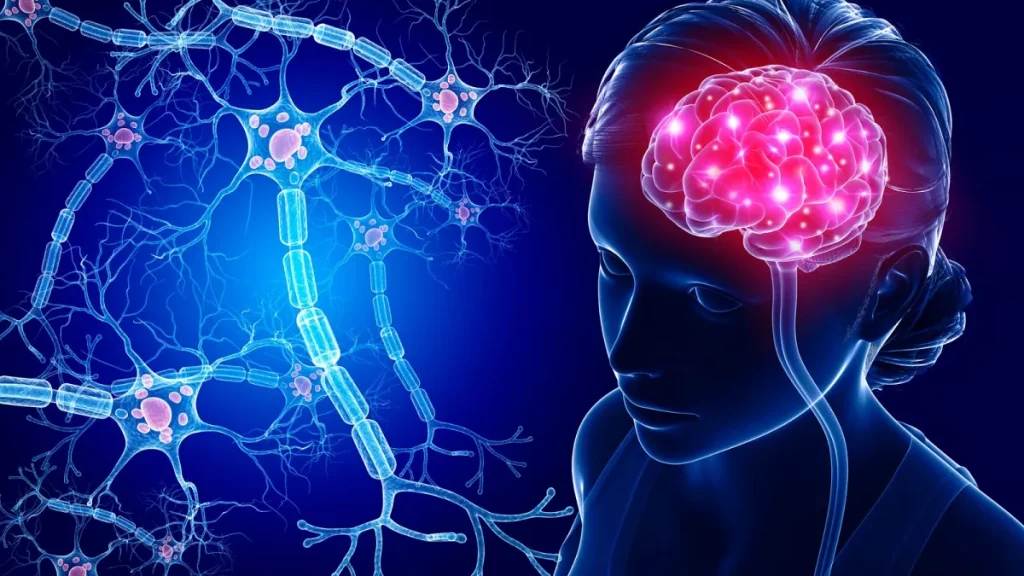
How Does the Presence of a Person with Epilepsy Affect Family Dynamics?
A diagnosis of epilepsy in a family member can impact the lives of the entire family. This condition affects not only the individual with epilepsy, but also the mental health, emotional relationships, and economic well-being of the entire family. Let’s explore some of these impacts:
Anxiety and Fear
Witnessing a seizure in a person with epilepsy can be very frightening and anxiety-provoking for family members, especially children. This fear and anxiety can lead to nightmares, concentration problems, and declining academic performance in children.
Feelings of Guilt and Hopelessness
Family members, especially parents, may feel guilty that they were unable to prevent the onset of epilepsy in their loved one. This sense of guilt can be accompanied by hopelessness and despair, negatively affecting emotional relationships between family members.
Responsibility and Caregiving
Caring for a person with epilepsy, especially during a seizure, can be a demanding and exhausting task. This responsibility can affect the jobs, social lives, and free time of other family members.
Isolation and Rejection
Some families are reluctant to talk about epilepsy due to fear of being judged by others. This can lead to isolation and rejection of both the affected individual and other family members.
Communication Problems
Seizures and the side effects of anti-seizure medications can affect the mood and cognitive abilities of the person with epilepsy. This can lead to misunderstandings, communication problems, and conflict among family members.

It is important to remember that epilepsy is a manageable condition, and with family support and understanding, a person with epilepsy can lead a normal and fulfilling life. With patience, perseverance, and a supportive approach, families can overcome the challenges posed by epilepsy and enjoy happy and fulfilling lives together.
The Impact of Epilepsy on Family Finances
Epilepsy, beyond recurrent seizures, can have a significant financial burden on families, threatening their economic stability. Let’s examine various dimensions of this impact:
Healthcare Costs
Medications: Anti-seizure drugs, essential for controlling seizures, can be very expensive.
Medical Visits: Regular check-ups with neurologists and other medical specialists to monitor the patient’s condition and adjust medications can impose a significant cost on families.
Tests: Undergoing tests such as EEG, MRI, and blood tests to diagnose and manage epilepsy can be costly.
Loss of Income
Absenteeism from Work: Frequent seizures and the side effects of anti-seizure medications can lead to frequent absences from work or school. This not only results in a loss of income but can also negatively affect job positions and future prospects.
Permanent Disability: In some cases, epilepsy can lead to permanent disability, preventing the individual from working or performing daily activities. This increases the financial dependence of the individual on the family and places an additional economic burden on them.
Caregiving Costs
Home Care: In some cases, a person with epilepsy may require 24-hour home care. This can require hiring a nurse or other caregivers, which imposes a significant cost on the family.
Care in Medical Centers: In severe cases, a person with epilepsy may need to be hospitalized in specialized medical centers. The cost of this type of care is very high and can be unbearable for many families.
Epilepsy and Marriage
Epilepsy, known for recurrent seizures, can pose challenges in the path to marriage for individuals with the condition. However, these challenges are not insurmountable, and with proper understanding, patience, and mutual support, a happy and fulfilling life together can be achieved.

Points to Consider Before Marriage:
Honest Communication: Having a frank and honest conversation with each other about epilepsy, including the type of epilepsy, symptoms, medications, lifestyle, and potential limitations, is essential for creating understanding and mutual trust.
Genetic Counseling: If you want to have children, it is recommended to consult with a genetic specialist to assess the possibility of transmitting epilepsy to offspring and to discuss preventive measures.
Family Support: The support and understanding of both families can be very effective in overcoming potential challenges and having a successful life together.
Epilepsy and Pregnancy
Undoubtedly, epilepsy can pose challenges for women with this condition when it comes to pregnancy and motherhood. However, these challenges can be managed with proper awareness, planning, and medical care, and many women with epilepsy can become pregnant and give birth to healthy children.

Points to Consider Before Pregnancy:
Seizure Control: The first step is to control seizures before pregnancy. For this purpose, you should consult a neurologist and, if necessary, adjust your anti-seizure medications.
Genetic Counseling: If you want to become pregnant, it is recommended to consult with a genetic specialist to assess the possibility of transmitting epilepsy to the fetus and to discuss preventive measures.
Healthy Lifestyle: Having a balanced diet, getting enough sleep, exercising regularly, and avoiding tobacco and alcohol can help control seizures and improve the health of the mother and fetus.
Pregnancy Considerations
Regular Medical Care: Regular check-ups with a gynecologist and a neurologist to monitor the health of the mother and fetus and adjust medications as needed are essential.
Hormonal Changes: Hormonal changes during pregnancy can affect seizures, so it is important to discuss this with your doctor and adjust your medications if necessary.
Folic Acid Intake: Taking folic acid supplements before and during pregnancy is essential to prevent neural tube defects in the fetus.
Childbirth: Planning for childbirth, considering the type of epilepsy, seizure history, and medications used, is done in collaboration with the gynecologist and neurologist.
Epilepsy in Women
Epilepsy can occur in women for various reasons, including genetics, hormones, and pregnancy. This disease can occur in women of any age, but it is more common during puberty and after menopause. Let’s explore this topic in more detail.

Factors That Increase the Risk of Epilepsy in Women
Some factors that increase the risk of epilepsy in women include:
Family History of Epilepsy: If one of your family members has epilepsy, your risk of developing the condition is higher.
Brain Injury: Damage to the brain, such as a concussion or stroke, can increase the risk of epilepsy.
Brain Infection: Some brain infections, such as meningitis, can lead to epilepsy.
Stroke: A stroke can damage brain cells and lead to epilepsy.
Developmental Disorders: Some developmental disorders, such as autism, are associated with an increased risk of epilepsy.
Pregnancy and Childbirth: Some women experience seizures during pregnancy or childbirth. This condition is known as “pregnancy-related epilepsy”.
Epilepsy and Breastfeeding
Epilepsy can create concerns for women with this condition about breastfeeding their babies. However, in most cases, women with epilepsy can safely breastfeed their babies.

Considerations Regarding Breastfeeding for Women with Epilepsy:
Type of Epilepsy and Medications: The type of epilepsy and the medications the mother is taking can affect her ability to breastfeed. Some anti-seizure medications can be transferred to the baby through breast milk.
Risk of Seizure While Breastfeeding: In some cases, the risk of seizures may increase while breastfeeding.
Mother’s Feelings: Caring for and breastfeeding a baby can be exhausting, and mothers with epilepsy may at times feel sadness, anxiety, or fatigue.
Safe Breastfeeding Strategies for Women with Epilepsy
Some safe breastfeeding strategies for women with epilepsy are as follows:
Consult with a doctor.
Choose the right medication.
Breastfeed while lying down.
Breastfeed at calm times.
Get help from others.
Conclusion
In the end, epilepsy is a challenge that can affect the lives of people with the condition and those around them. However, this condition is by no means unmanageable. With awareness, patience, mutual support, and the use of existing support services and resources, this challenge can be overcome, and a happy and fulfilling life can be achieved.