
ارتباطات-در-سازمان-3.jpg

The Impact of Epilepsy on Communication

The Impact of Epilepsy on Communication

Epilepsy, also known as seizure disorder, is a chronic brain condition characterized by recurrent seizures. These seizures result from abnormal electrical activity in the brain, which can trigger a wide range of symptoms, including loss of consciousness, involuntary movements, and sensory or behavioral changes.

In general, epilepsy can significantly impact a person’s ability to communicate. This disorder can affect language skills, social interactions, and overall quality of life in various ways. In this article, we will delve into the impact of epilepsy on communication. Join us as we explore this important issue
How Does the Presence of a Person with Epilepsy Affect Family Dynamics?

A diagnosis of epilepsy in a family member can impact the lives of the entire family. This condition affects not only the individual with epilepsy, but also the mental health, emotional relationships, and economic well-being of the entire family. Let’s explore some of these impacts:

Anxiety and Fear
Witnessing a seizure in a person with epilepsy can be very frightening and anxiety-provoking for family members, especially children. This fear and anxiety can lead to nightmares, concentration problems, and declining academic performance in children.

Feelings of Guilt and Hopelessness
Family members, especially parents, may feel guilty that they were unable to prevent the onset of epilepsy in their loved one. This sense of guilt can be accompanied by hopelessness and despair, negatively affecting emotional relationships between family members.

Responsibility and Caregiving
Caring for a person with epilepsy, especially during a seizure, can be a demanding and exhausting task. This responsibility can affect the jobs, social lives, and free time of other family members.

Isolation and Rejection
Some families are reluctant to talk about epilepsy due to fear of being judged by others. This can lead to isolation and rejection of both the affected individual and other family members.

Communication Problems
Seizures and the side effects of anti-seizure medications can affect the mood and cognitive abilities of the person with epilepsy. This can lead to misunderstandings, communication problems, and conflict among family members.

It is important to remember that epilepsy is a manageable condition, and with family support and understanding, a person with epilepsy can lead a normal and fulfilling life. With patience, perseverance, and a supportive approach, families can overcome the challenges posed by epilepsy and enjoy happy and fulfilling lives together.

The Impact of Epilepsy on Family Finances

Epilepsy, beyond recurrent seizures, can have a significant financial burden on families, threatening their economic stability. Let’s examine various dimensions of this impact:

Healthcare Costs

Medications: Anti-seizure drugs, essential for controlling seizures, can be very expensive.

Medical Visits: Regular check-ups with neurologists and other medical specialists to monitor the patient’s condition and adjust medications can impose a significant cost on families.

Tests: Undergoing tests such as EEG, MRI, and blood tests to diagnose and manage epilepsy can be costly.

Loss of Income

Absenteeism from Work: Frequent seizures and the side effects of anti-seizure medications can lead to frequent absences from work or school. This not only results in a loss of income but can also negatively affect job positions and future prospects.

Permanent Disability: In some cases, epilepsy can lead to permanent disability, preventing the individual from working or performing daily activities. This increases the financial dependence of the individual on the family and places an additional economic burden on them.

Caregiving Costs

Home Care: In some cases, a person with epilepsy may require 24-hour home care. This can require hiring a nurse or other caregivers, which imposes a significant cost on the family.

Care in Medical Centers: In severe cases, a person with epilepsy may need to be hospitalized in specialized medical centers. The cost of this type of care is very high and can be unbearable for many families.

Epilepsy and Marriage

Epilepsy, known for recurrent seizures, can pose challenges in the path to marriage for individuals with the condition. However, these challenges are not insurmountable, and with proper understanding, patience, and mutual support, a happy and fulfilling life together can be achieved.

Points to Consider Before Marriage:

Honest Communication: Having a frank and honest conversation with each other about epilepsy, including the type of epilepsy, symptoms, medications, lifestyle, and potential limitations, is essential for creating understanding and mutual trust.

Genetic Counseling: If you want to have children, it is recommended to consult with a genetic specialist to assess the possibility of transmitting epilepsy to offspring and to discuss preventive measures.

Family Support: The support and understanding of both families can be very effective in overcoming potential challenges and having a successful life together.

Epilepsy and Pregnancy

Undoubtedly, epilepsy can pose challenges for women with this condition when it comes to pregnancy and motherhood. However, these challenges can be managed with proper awareness, planning, and medical care, and many women with epilepsy can become pregnant and give birth to healthy children.
Points to Consider Before Pregnancy:

Seizure Control: The first step is to control seizures before pregnancy. For this purpose, you should consult a neurologist and, if necessary, adjust your anti-seizure medications.

Genetic Counseling: If you want to become pregnant, it is recommended to consult with a genetic specialist to assess the possibility of transmitting epilepsy to the fetus and to discuss preventive measures.

Healthy Lifestyle: Having a balanced diet, getting enough sleep, exercising regularly, and avoiding tobacco and alcohol can help control seizures and improve the health of the mother and fetus.

Pregnancy Considerations

Regular Medical Care: Regular check-ups with a gynecologist and a neurologist to monitor the health of the mother and fetus and adjust medications as needed are essential.

Hormonal Changes: Hormonal changes during pregnancy can affect seizures, so it is important to discuss this with your doctor and adjust your medications if necessary.

Folic Acid Intake: Taking folic acid supplements before and during pregnancy is essential to prevent neural tube defects in the fetus.

Childbirth: Planning for childbirth, considering the type of epilepsy, seizure history, and medications used, is done in collaboration with the gynecologist and neurologist.

Epilepsy in Women

Epilepsy can occur in women for various reasons, including genetics, hormones, and pregnancy. This disease can occur in women of any age, but it is more common during puberty and after menopause. Let’s explore this topic in more detail.

Factors That Increase the Risk of Epilepsy in Women

Some factors that increase the risk of epilepsy in women include:

Family History of Epilepsy: If one of your family members has epilepsy, your risk of developing the condition is higher.

Brain Injury: Damage to the brain, such as a concussion or stroke, can increase the risk of epilepsy.

Brain Infection: Some brain infections, such as meningitis, can lead to epilepsy.

Stroke: A stroke can damage brain cells and lead to epilepsy.

Developmental Disorders: Some developmental disorders, such as autism, are associated with an increased risk of epilepsy.

Pregnancy and Childbirth: Some women experience seizures during pregnancy or childbirth. This condition is known as “pregnancy-related epilepsy”.

Epilepsy and Breastfeeding

Epilepsy can create concerns for women with this condition about breastfeeding their babies. However, in most cases, women with epilepsy can safely breastfeed their babies.

Considerations Regarding Breastfeeding for Women with Epilepsy:

Type of Epilepsy and Medications: The type of epilepsy and the medications the mother is taking can affect her ability to breastfeed. Some anti-seizure medications can be transferred to the baby through breast milk.

Risk of Seizure While Breastfeeding: In some cases, the risk of seizures may increase while breastfeeding.

Mother’s Feelings: Caring for and breastfeeding a baby can be exhausting, and mothers with epilepsy may at times feel sadness, anxiety, or fatigue.

Safe Breastfeeding Strategies for Women with Epilepsy

Some safe breastfeeding strategies for women with epilepsy are as follows:

Consult with a doctor.

Choose the right medication.

Breastfeed while lying down.

Breastfeed at calm times.

Get help from others.

Conclusion

In the end, epilepsy is a challenge that can affect the lives of people with the condition and those around them. However, this condition is by no means unmanageable. With awareness, patience, mutual support, and the use of existing support services and resources, this challenge can be overcome, and a happy and fulfilling life can be achieved.

 

جامعه-e1720506872586-1024x608.jpg

Epilepsy and Societal Views

Epilepsy and Societal Views

You may have heard of epilepsy, or perhaps you or your loved ones are dealing with this neurological disorder. Epilepsy, a brain disorder characterized by recurrent seizures, still presents numerous challenges for those affected at various levels of life, despite significant advancements in medical science. This article takes an in-depth look at these challenges, support organizations, the role of technology, and societal views, offering a comprehensive view of the condition and the winding path of life for those who have it. Join us as we explore these aspects.

What Challenges Do People With Epilepsy Face?

This section of the article explores some of the most significant challenges and difficulties faced by individuals with epilepsy:

Employment and Educational Barriers:

Sudden and Unpredictable Seizures: This makes it difficult for individuals with epilepsy to find and maintain employment. Employers may be reluctant to hire people with epilepsy due to fears of incidents occurring in the workplace.

Driving Restrictions:

Risk of Seizure While Driving: Due to the high risk of seizures while driving, people with epilepsy are not allowed to drive in many countries. This can severely limit their independence and mobility.

Social Exclusion and Stigma:

Ignorance and Superstition: Unfortunately, ignorance and superstition about epilepsy still exist among some members of society. These individuals may hold misconceptions about the condition and avoid people with epilepsy.

Emotional and Psychological Problems:

Fear of the Future: People with epilepsy may have many fears about their future. They may worry about recurrent seizures, losing their job or education, or being rejected by those around them.

Anxiety: Sudden and unpredictable seizures can be a source of severe anxiety for people with epilepsy. This anxiety can disrupt their daily lives and affect their quality of life.

Depression: Having epilepsy can increase a person’s risk of developing depression. This may be due to various factors, including social challenges, medication side effects, and fear of the future.

Barriers to Marriage and Starting a Family:

Fear of Passing the Condition to the Next Generation: Some people with epilepsy refrain from marrying and starting a family due to fear of passing a defective gene to their children.

Health-Related Issues:

Medication Side Effects: Anti-seizure medications can have various side effects, such as fatigue, dizziness, weight gain, and memory problems.

Need for Medical Care: People with epilepsy need to undergo regular medical examinations and take their medications regularly.

Lifestyle Challenges:

Dietary Restrictions: Some people with epilepsy need to avoid certain foods and drinks, such as alcohol and caffeine.

Need for Adequate Sleep: Adequate sleep is necessary for seizure control. However, some people with epilepsy may have trouble sleeping due to medication side effects or emotional issues.

Organizations Supporting People With Epilepsy

In light of the numerous challenges that people with epilepsy face, many organizations around the world work to support these individuals and improve their quality of life. Here are some of the most important support organizations for people with epilepsy at the international and national levels (specifically Iran):

International Organizations

International League Against Epilepsy (ILAE)

Epilepsy Foundation

European Epilepsy Academy (EUREPA)

Epilepsy Association of Iran
This association acts as the main advocate for people with epilepsy in Iran and provides a wide range of services to these individuals, including:
* Organizing scientific congresses and seminars
* Publishing journals and educational books
* Providing counseling and welfare services
* Supporting patients in legal and judicial matters
* Creating support groups
* Collaborating with international organizations

The Charity Foundation for Support of Severe Epilepsy Patients
This foundation specifically supports patients with treatment-resistant epilepsy and provides various services to these individuals, including:
* Providing counseling and welfare services
* Helping to cover treatment costs
* Organizing educational and cultural programs

The role of these organizations in supporting people with epilepsy and their families cannot be overstated. Through their efforts, they shine a light of hope in the darkness and help patients navigate the winding path of life.

 The Role of Epilepsy Apps in Improving Quality of Life

In the present era, technology has come to the aid of people with epilepsy. Numerous applications have been designed to help these individuals manage their condition, improve their quality of life, and overcome various challenges. The function of these applications is based on collecting and analyzing various data related to epilepsy. This data can include:

Seizure History: Date, time, duration, and severity of seizures

Seizure Triggers: Potential triggers for seizures, such as stress, lack of sleep, or consumption of certain foods and medications

Medication Side Effects: Signs and symptoms of side effects from anti-seizure medications

Mood and Mental State: Records of mood swings, anxiety, and depression

Physical Activity and Diet: Tracking levels of physical activity and dietary habits

By using this data, epilepsy apps can assist patients in the following ways:

Tracking and Predicting Seizures: Some applications use complex algorithms to predict the likelihood of seizures occurring in the future. This helps patients take the necessary preventive measures and prevent the onset of sudden seizures.

Medication Reminders: Applications can remind patients to take their anti-seizure medications regularly and on time.

Recording Signs and Symptoms: Patients can use the applications to accurately record their signs and symptoms. This information can help doctors better diagnose the condition and adjust treatment plans accordingly.

Stress Management: Some applications include relaxation techniques such as deep breathing and meditation, which help patients manage stress and anxiety, which are triggers for seizures.

Communication with Doctors: Applications can serve as a communication bridge between patients and doctors. Patients can use the app to ask their doctors questions, share test results and symptoms, and receive online consultations if needed.

With the continuous advancement of technology, it is expected that epilepsy applications will continue to evolve and become an essential tool for patients to manage their condition and improve their quality of life.

Negative Attitudes and Views of Society Towards People With Epilepsy

Negative attitudes towards people with epilepsy are rooted in the depths of human history. From ancient times to the present day, these individuals have faced numerous stigmas and discriminations due to ignorance and superstition. Despite scientific advances and increased awareness about epilepsy, negative attitudes towards this condition still exist in some societies. This attitude can stem from various factors, including:

Ignorance and Lack of Awareness: Many people are unaware of the nature of epilepsy and how to treat it. This ignorance and lack of awareness can lead to fear, misunderstandings, and misjudgments.

Superstition and Misconceptions: Unfortunately, superstitions and misconceptions about epilepsy still exist in some cultures. These beliefs can portray patients as dangerous or contaminated beings.

Fear of the Unknown: Sudden and uncontrollable seizures of epilepsy can be frightening for unfamiliar people. This fear can lead to rejection and discrimination against patients.

What to Do When Encountering Someone Having a Seizure

A sudden and uncontrollable seizure can be a horrifying experience for both the individual having the seizure and those around them. Awareness and timely action in these critical moments can prevent possible injuries and subsequent adverse consequences. In this section, we will discuss the necessary actions when encountering a person having a seizure:

Stay Calm: The first step is to remain calm yourself and calm those around you.

Remove Dangerous Objects: Remove any sharp, heavy, or hot objects that could increase the risk of injury from the vicinity of the person experiencing the seizure.

Turn the Person on their Side: Gently turn the person onto their side and tilt their head down slightly.

Place Something Soft Under Their Head: Place a soft pillow or towel under their head to prevent head injuries during the seizure.

Time the Seizure: Carefully note the start and end times of the seizure.

Do Not Feed or Give the Person Anything to Drink: Do not give the person anything to eat or drink until they have fully regained consciousness. This can increase the risk of choking.

Call Emergency Services: In the following cases, call emergency services immediately.

Remember that remaining calm, taking timely action, and providing proper assistance can be effective in improving the condition of the person experiencing the seizure and preventing subsequent adverse consequences.

Conclusion

In conclusion, this article has further described and examined the condition of epilepsy. Epilepsy, a condition that has been accompanied by ignorance, superstition, and unfair stigmas throughout history. However, in the light of knowledge and awareness, glimmers of hope are emerging. Scientific efforts, activities of support organizations, and the help of kind-hearted individuals are promising a world free from discrimination and full of understanding and empathy for people with epilepsy.

Fortunately, epilepsy is no longer an incurable condition. With remarkable advances in medical science, a broad range of treatments are available to control seizures and improve the quality of life for people with epilepsy.

In this article, we aim to provide a comprehensive review of these treatment methods. From anti-epileptic drugs to electrical nerve stimulation, brain surgery, and specific diets, we will describe each of these methods in full detail, highlighting their advantages, disadvantages, and use cases. Join us as we explore these options.

Treatment Methods for Epilepsy

The best treatment method for epilepsy depends on various factors, including the type and severity of seizures, medical history, age, and lifestyle of the patient. Here are some common treatment methods:

Medications

Epilepsy Nerve Stimulation (ENS)

Brain Surgery

Diet

We will now delve into each of these in detail.

Anti-Epileptic Drugs

Anti-epileptic drugs (AEDs) are the most common treatment for epilepsy. There are many different types of AEDs, and each works through a different mechanism of action. Your doctor can prescribe the most suitable AED for you and determine the correct dosage.

AEDs are usually taken orally, but some can also be administered by injection. It’s important to take AEDs as prescribed by your doctor, even if you are feeling better. Missing doses or stopping medication can lead to seizures.

Keep in mind that AEDs can cause side effects. The most common side effects include:

Fatigue

Dizziness

Weight gain

Memory problems

Mood changes

If you experience side effects, inform your doctor. They may be able to adjust your dosage or prescribe a different medication.

Here are some of the most common AEDs:

Carbamazepine (Tegretol)

Lamotrigine (Lamictal)

Levetiracetam (Keppra)

Topiramate (Topamax)

It’s important to remember that AEDs are not a cure for epilepsy. They can only help control your seizures. If you are taking AEDs, you should regularly see your doctor to monitor your progress.

Epilepsy Nerve Stimulation (ENS)

Epilepsy Nerve Stimulation (ENS) is a modern treatment for controlling drug-resistant seizures in patients with epilepsy. This method uses mild electrical stimulation to modulate the abnormal activity of the brain, helping to reduce the number and severity of seizures.

How ENS Works

In ENS, thin, tiny electrodes are implanted under the scalp. These electrodes are connected to a small generator placed under the skin of the chest. The generator sends electrical pulses of a regulated frequency and intensity to the electrodes, influencing the electrical activity of the brain.

Types of ENS

There are two main types of ENS:

Vagus Nerve Stimulation (VNS): In this method, electrodes are connected to the vagus nerve, which runs from the brainstem to various organs in the body. Vagus nerve stimulation can help modulate overall brain activity and reduce seizures.

 Deep Brain Stimulation (DBS): In this method, electrodes are implanted directly into specific areas of the brain that are responsible for causing seizures. DBS sends more precise stimulation to the location of seizure origin and can be helpful for patients who do not respond to VNS.

Advantages of ENS

Reduction in Seizure Number and Severity: Studies have shown that ENS can significantly reduce the number of seizures in patients with drug-resistant epilepsy.

Improved Quality of Life: By reducing seizures, ENS patients can enjoy a more active and fulfilling life without the limitations imposed by frequent seizures.

Reduced Need for Medication: In some cases, ENS can reduce or completely eliminate the need for anti-epileptic medication.

Safety and Tolerability: ENS is generally safe and well-tolerated. Common side effects include feelings of tingling, prickling, and changes in voice, which are usually mild and manageable.

Contraindications for ENS

Pregnancy: ENS is not recommended during pregnancy.

Brain Infections: Implantation of electrodes can be dangerous if there is an active brain infection.

Certain Heart Conditions: ENS may not be suitable for patients with certain specific heart conditions.

Brain Surgery

Among the many treatment methods for epilepsy, brain surgery is considered a last resort when other methods, such as medications or nerve stimulation, are ineffective. The goal of this surgery is to identify and remove or disconnect the area of the brain responsible for causing treatment-resistant seizures.

Types of Brain Surgery for Epilepsy

Resection: In this common method, the surgeon completely removes the area responsible for seizures.

Disconnection: In this method, the surgeon cuts the neural connections between the area responsible for seizures and other parts of the brain.

Electrode Implantation: In this method, electrodes are implanted in the brain to continuously monitor its electrical activity. This information helps the surgeon to identify the exact location of seizure origin.

Corpus Callosotomy: In this method, a portion of the corpus callosum, which connects the two hemispheres of the brain, is severed. This method is very useful for patients whose seizures occur in both hemispheres of the brain.

Advantages of Brain Surgery for Epilepsy

Reduction or Complete Elimination of Seizures: In many cases, brain surgery can significantly reduce the number of seizures or eliminate them completely.

Improved Quality of Life: By controlling seizures, patients can enjoy a more active and independent life.

Reduced Need for Medication: In some cases, surgery can reduce or completely eliminate the need for anti-epileptic medication.

Risks and Side Effects

Infection

Bleeding

Nerve damage

Seizures

Ketogenic Diet

The ketogenic diet is a specific, high-fat, low-carbohydrate diet used to treat epilepsy, particularly in children. This diet helps to control abnormal electrical activity in the brain and reduce seizures by making changes in the body’s metabolism.

How the Ketogenic Diet Works

In the ketogenic diet, the body uses fats to produce ketones, instead of glucose (sugar), as the primary source of energy. Ketones are molecules that are produced in the liver from fats and can be transported to the brain through the bloodstream. The brain can use ketones as an alternative energy source.

Advantages of the Ketogenic Diet for Epilepsy

Seizure Reduction: Studies have shown that the ketogenic diet can significantly reduce the number of seizures in children with drug-resistant epilepsy.

Improved Quality of Life: By controlling seizures, children can enjoy a more active and happier life without the limitations imposed by frequent seizures.

Reduced Need for Medication: In some cases, the ketogenic diet can reduce or completely eliminate the need for anti-epileptic medication.

Uses for the Ketogenic Diet

Drug-Resistant Epilepsy: The ketogenic diet is useful for children who do not respond to anti-epileptic medications or experience significant side effects.

Dravet Syndrome: This diet can be effective in treating this rare genetic disorder, which is accompanied by drug-resistant seizures.

Other Neurological Disorders: Research suggests that the ketogenic diet may also be helpful in treating other neurological disorders such as Alzheimer’s disease, Parkinson’s disease, and Duchenne muscular dystrophy.

Other Treatment Methods

In addition to the primary symptoms of epilepsy, this condition can also lead to a range of secondary consequences. These complications can include the following:

Biofeedback: In this therapy, the patient is taught to control their physiological functions using signals from their body, such as heart rate, breathing, or muscle activity. The goal of biofeedback is to learn how to calm the brain and reduce its abnormal electrical activity, which can help control seizures.

Transcranial Magnetic Stimulation (TMS): In this therapy, strong magnetic fields are used to stimulate nerve cells in the brain. TMS can temporarily disrupt the brain’s electrical activity in the area responsible for causing seizures and help to control seizures.

Modified Diet: Some specific diets, such as a gluten-free diet or a low-sugar diet, may be helpful for some people with epilepsy. These diets can help control seizures by making changes in the levels of hormones and nutrients in the body.

Conclusion

In conclusion, we have explored the condition of epilepsy as much as possible. As mentioned in this article, epilepsy is a neurological disorder characterized by recurrent seizures. These seizures can cause a wide range of symptoms including loss of consciousness, convulsive movements, and sensory changes. However, epilepsy can be controlled and treated with medications, surgery, and other therapies.


international-epilepsy-day-epilepsy-awareness-purple-ribbon-brain-wave-electroencephalogram-eeg-epilepsy_945447-5279

Epilepsy

Epilepsy, a neurological disorder characterized by recurrent seizures, casts a shadow over the lives of millions worldwide. These seizures, stemming from abnormal electrical activity in the brain, can trigger a wide range of symptoms, from brief lapses in awareness to intense movements and loss of consciousness.

Fortunately, epilepsy is no longer an incurable condition. With remarkable advances in medical science, a broad range of treatments are available to control seizures and improve the quality of life for people with epilepsy.

In this article, we aim to provide a comprehensive review of these treatment methods. From anti-epileptic drugs to electrical nerve stimulation, brain surgery, and specific diets, we will describe each of these methods in full detail, highlighting their advantages, disadvantages, and use cases. Join us as we explore these options.

Treatment Methods for Epilepsy

The best treatment method for epilepsy depends on various factors, including the type and severity of seizures, medical history, age, and lifestyle of the patient. Here are some common treatment methods:

Medications

Epilepsy Nerve Stimulation (ENS)

Brain Surgery

Diet

We will now delve into each of these in detail.

Anti-Epileptic Drugs

Anti-epileptic drugs (AEDs) are the most common treatment for epilepsy. There are many different types of AEDs, and each works through a different mechanism of action. Your doctor can prescribe the most suitable AED for you and determine the correct dosage.

AEDs are usually taken orally, but some can also be administered by injection. It’s important to take AEDs as prescribed by your doctor, even if you are feeling better. Missing doses or stopping medication can lead to seizures.

 Keep in mind that AEDs can cause side effects. The most common side effects include:

Fatigue

Dizziness

Weight gain

Memory problems

Mood changes

If you experience side effects, inform your doctor. They may be able to adjust your dosage or prescribe a different medication.

Here are some of the most common AEDs:

Carbamazepine (Tegretol)

Lamotrigine (Lamictal)

Levetiracetam (Keppra)

Topiramate (Topamax)

It’s important to remember that AEDs are not a cure for epilepsy. They can only help control your seizures. If you are taking AEDs, you should regularly see your doctor to monitor your progress.

Epilepsy Nerve Stimulation (ENS)

Epilepsy Nerve Stimulation (ENS) is a modern treatment for controlling drug-resistant seizures in patients with epilepsy. This method uses mild electrical stimulation to modulate the abnormal activity of the brain, helping to reduce the number and severity of seizures.

How ENS Works

In ENS, thin, tiny electrodes are implanted under the scalp. These electrodes are connected to a small generator placed under the skin of the chest. The generator sends electrical pulses of a regulated frequency and intensity to the electrodes, influencing the electrical activity of the brain.

Types of ENS

There are two main types of ENS:

Vagus Nerve Stimulation (VNS): In this method, electrodes are connected to the vagus nerve, which runs from the brainstem to various organs in the body. Vagus nerve stimulation can help modulate overall brain activity and reduce seizures.

Deep Brain Stimulation (DBS): In this method, electrodes are implanted directly into specific areas of the brain that are responsible for causing seizures. DBS sends more precise stimulation to the location of seizure origin and can be helpful for patients who do not respond to VNS.

Advantages of ENS

Reduction in Seizure Number and Severity: Studies have shown that ENS can significantly reduce the number of seizures in patients with drug-resistant epilepsy.

Improved Quality of Life: By reducing seizures, ENS patients can enjoy a more active and fulfilling life without the limitations imposed by frequent seizures.

Reduced Need for Medication: In some cases, ENS can reduce or completely eliminate the need for anti-epileptic medication.

Safety and Tolerability: ENS is generally safe and well-tolerated. Common side effects include feelings of tingling, prickling, and changes in voice, which are usually mild and manageable.

Contraindications for ENS

Pregnancy: ENS is not recommended during pregnancy.

Brain Infections: Implantation of electrodes can be dangerous if there is an active brain infection.

Certain Heart Conditions: ENS may not be suitable for patients with certain specific heart conditions.

Keep in mind that AEDs can cause side effects. The most common side effects include:

Fatigue

Dizziness

Weight gain

Memory problems

Mood changes

If you experience side effects, inform your doctor. They may be able to adjust your dosage or prescribe a different medication.

Here are some of the most common AEDs:

Carbamazepine (Tegretol)

Lamotrigine (Lamictal)

Levetiracetam (Keppra)

Topiramate (Topamax)

It’s important to remember that AEDs are not a cure for epilepsy. They can only help control your seizures. If you are taking AEDs, you should regularly see your doctor to monitor your progress.

Epilepsy Nerve Stimulation (ENS)

Epilepsy Nerve Stimulation (ENS) is a modern treatment for controlling drug-resistant seizures in patients with epilepsy. This method uses mild electrical stimulation to modulate the abnormal activity of the brain, helping to reduce the number and severity of seizures.

How ENS Works

In ENS, thin, tiny electrodes are implanted under the scalp. These electrodes are connected to a small generator placed under the skin of the chest. The generator sends electrical pulses of a regulated frequency and intensity to the electrodes, influencing the electrical activity of the brain.

Types of ENS

There are two main types of ENS:

Vagus Nerve Stimulation (VNS): In this method, electrodes are connected to the vagus nerve, which runs from the brainstem to various organs in the body. Vagus nerve stimulation can help modulate overall brain activity and reduce seizures.

Deep Brain Stimulation (DBS): In this method, electrodes are implanted directly into specific areas of the brain that are responsible for causing seizures. DBS sends more precise stimulation to the location of seizure origin and can be helpful for patients who do not respond to VNS.

Advantages of ENS

Reduction in Seizure Number and Severity: Studies have shown that ENS can significantly reduce the number of seizures in patients with drug-resistant epilepsy.

Improved Quality of Life: By reducing seizures, ENS patients can enjoy a more active and fulfilling life without the limitations imposed by frequent seizures.

Reduced Need for Medication: In some cases, ENS can reduce or completely eliminate the need for anti-epileptic medication.

Safety and Tolerability: ENS is generally safe and well-tolerated. Common side effects include feelings of tingling, prickling, and changes in voice, which are usually mild and manageable.

Contraindications for ENS

Pregnancy: ENS is not recommended during pregnancy.

Brain Infections: Implantation of electrodes can be dangerous if there is an active brain infection.

Certain Heart Conditions: ENS may not be suitable for patients with certain specific heart conditions.

Risks and Side Effects

Infection

Bleeding

Nerve damage

Seizures

Ketogenic Diet

The ketogenic diet is a specific, high-fat, low-carbohydrate diet used to treat epilepsy, particularly in children. This diet helps to control abnormal electrical activity in the brain and reduce seizures by making changes in the body’s metabolism.

How the Ketogenic Diet Works

In the ketogenic diet, the body uses fats to produce ketones, instead of glucose (sugar), as the primary source of energy. Ketones are molecules that are produced in the liver from fats and can be transported to the brain through the bloodstream. The brain can use ketones as an alternative energy source.

Advantages of the Ketogenic Diet for Epilepsy

Seizure Reduction: Studies have shown that the ketogenic diet can significantly reduce the number of seizures in children with drug-resistant epilepsy.

Improved Quality of Life: By controlling seizures, children can enjoy a more active and happier life without the limitations imposed by frequent seizures.

Reduced Need for Medication: In some cases, the ketogenic diet can reduce or completely eliminate the need for anti-epileptic medication.

Uses for the Ketogenic Diet

Drug-Resistant Epilepsy: The ketogenic diet is useful for children who do not respond to anti-epileptic medications or experience significant side effects.

Dravet Syndrome: This diet can be effective in treating this rare genetic disorder, which is accompanied by drug-resistant seizures.

Other Neurological Disorders: Research suggests that the ketogenic diet may also be helpful in treating other neurological disorders such as Alzheimer’s disease, Parkinson’s disease, and Duchenne muscular dystrophy.

Other Treatment Methods

In addition to the primary symptoms of epilepsy, this condition can also lead to a range of secondary consequences. These complications can include the following:

Biofeedback: In this therapy, the patient is taught to control their physiological functions using signals from their body, such as heart rate, breathing, or muscle activity. The goal of biofeedback is to learn how to calm the brain and reduce its abnormal electrical activity, which can help control seizures.

Transcranial Magnetic Stimulation (TMS): In this therapy, strong magnetic fields are used to stimulate nerve cells in the brain. TMS can temporarily disrupt the brain’s electrical activity in the area responsible for causing seizures and help to control seizures.

Modified Diet: Some specific diets, such as a gluten-free diet or a low-sugar diet, may be helpful for some people with epilepsy. These diets can help control seizures by making changes in the levels of hormones and nutrients in the body.

Conclusion

In conclusion, we have explored the condition of epilepsy as much as possible. As mentioned in this article, epilepsy is a neurological disorder characterized by recurrent seizures. These seizures can cause a wide range of symptoms including loss of consciousness, convulsive movements, and sensory changes. However, epilepsy can be controlled and treated with medications, surgery, and other therapies.


epilepsy

All about epilepsy

Everything You Need to Know About Epilepsy

You’ve likely heard of epilepsy many times. Epilepsy is a neurological disorder rooted in abnormal and irregular electrical activity of the brain’s nerve cells, manifesting as recurring seizures. This electrical storm can affect various parts of the brain, leading to a wide range of symptoms and signs, including involuntary movements, loss of consciousness, and sensory changes.

Despite its long history, epilepsy remains shrouded in ambiguity and concern. In this article, we will explore different aspects of epilepsy, from diagnosis and causes to symptoms, genetics, mechanisms, and its difference from seizures. Join us as we delve into this condition.

Diagnosing Epilepsy

Diagnosing epilepsy is a step-by-step process aimed at confirming the presence of the condition, determining the type of epilepsy, and finding its underlying cause. This process involves gathering medical information, physical examinations, various tests, and, in some cases, specialized brain assessments.

Medical History and Physical Examination: The doctor will begin by asking detailed questions about your medical history, symptoms, and lifestyle. They will then conduct a thorough physical examination to rule out other potential causes of your symptoms.

Electroencephalogram (EEG): This test records the electrical activity of the brain and is one of the most important tools for diagnosing epilepsy. During an EEG, electrodes are attached to your scalp and your brain waves are recorded. There are different types of EEGs that can be used to diagnose epilepsy, including:

Standard EEG: This type of EEG is performed in the doctor’s office and usually lasts 20 to 30 minutes.

Long-term EEG: This type of EEG is performed for 24 hours or more and can record your brain activity during your daily routines.

Video EEG: This type of EEG records your activities simultaneously with recording your brain activity. This can help the doctor identify the type of seizure you are experiencing.

Brain Imaging: Imaging tests such as MRI or CT scans can be performed to examine the structure of the brain and identify any abnormalities that may be causing seizures.

Other Tests: In some cases, the doctor may order other tests such as blood tests, genetic testing, or neuropsychological tests to investigate potential causes of epilepsy.

Differential Diagnosis: The diagnosis of epilepsy must be differentiated from other disorders that can cause symptoms similar to seizures, such as fainting, sleep disorders, and mental disorders.

Determining the Type of Epilepsy: After confirming the diagnosis of epilepsy, the doctor will determine the type of epilepsy you have based on the type of seizure, the location where the abnormal electrical activity starts in the brain, and other factors.

Finding the Underlying Cause: Finally, the doctor will try to identify the underlying cause of your epilepsy. This helps to choose the best treatment and prevent future seizures.

Causes or Pathology of Epilepsy

As we mentioned earlier, epilepsy is a neurological disorder manifested by recurrent seizures. This condition has multiple causes and roots. However, the causes of epilepsy can be divided into two main categories:

Hereditary Causes:

Gene Mutations: Mutations in more than 200 different genes can be linked to an increased risk of epilepsy. These mutations can affect how ion channels, neurotransmitters, and other vital components of the brain function, creating a predisposition to abnormal electrical activity and, ultimately, seizures.

Genetic Syndromes: Some genetic syndromes, such as Down syndrome and amyotrophic lateral sclerosis (ALS), can also increase the risk of epilepsy.

Acquired Causes:

Brain Injuries: Accidents, strokes, infections, and tumors are among the most common acquired causes of epilepsy. These injuries can damage brain cells and their connections, creating a predisposition to seizures.

Lack of Oxygen at Birth: Deprivation of oxygen during birth can damage the brain and increase the risk of epilepsy.

Congenital Abnormalities: Some developmental brain abnormalities that occur before birth, such as cortical malformations, can increase the risk of epilepsy.

Autoimmune Diseases: Some autoimmune diseases, such as autoimmune encephalitis, can attack the brain and cause seizures.

It is important to note that in some cases, the cause of epilepsy remains unknown. This is known as idiopathic epilepsy.

Pathology of Epilepsy

The pathology of epilepsy refers to the study of structural and functional changes in the brains of people with this condition. These changes can occur at different levels, from brain cells to complex neural networks. Some of the most important findings in the pathology of epilepsy include:

Changes in Brain Cells: Brain cells of people with epilepsy may have abnormalities in their structure, function, or connections.

Brain Cell Death: In some cases, recurrent seizures can lead to brain cell death.

Changes in Neural Networks: The brain’s neural networks of people with epilepsy may have abnormal connections or activity.

Understanding the pathology of epilepsy helps scientists in developing new and more effective treatments for this condition.

Epidemiology

Unlike many other diseases, epilepsy is by no means contagious or transmissible. This means that a person with epilepsy cannot transmit the condition to another person through close contact, coughing, sneezing, or sharing personal items.

Perhaps this perception is created due to the dramatic nature of epileptic seizures in some people. However, it is important to remember that epilepsy is not an infectious disease, but rather a result of functional disorders within the brain itself.

However, in very rare cases, epilepsy can indirectly be associated with another person under certain conditions:

Epilepsy Caused by Parasitic Infections: In some regions of the world, infection with certain parasitic worms can lead to epilepsy. However, these infections are not transmitted through direct contact with an infected person, but through specific routes, such as contaminated water or soil.

Epilepsy Caused by High Fever: In rare cases, very high fever in children can cause febrile seizures. These seizures usually resolve when the fever goes down and do not develop into chronic epilepsy.

In summary, epilepsy is a non-contagious condition and there is no need to worry about its transmission from an infected person to a healthy person.

Signs and Symptoms

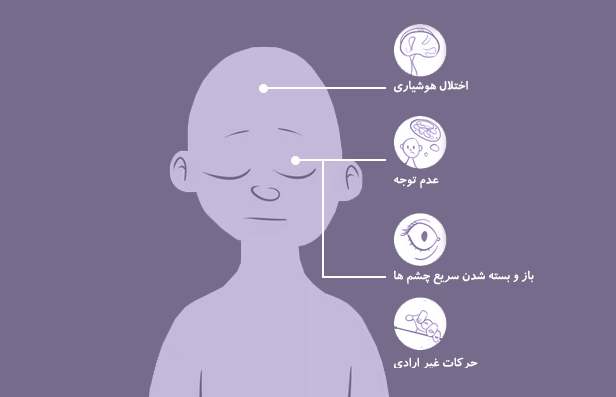
Epilepsy manifests with a wide range of signs and symptoms. These symptoms can vary from mild to severe and can be different depending on the type of epilepsy and the affected area of the brain. The most common symptom of epilepsy is a seizure. A seizure is a temporary storm of abnormal electrical activity in the brain that can lead to a range of neurological symptoms. There are different types of seizures, each with its own specific signs and symptoms:

Tonic-Clonic Seizures (Grand Mal): This type of seizure is the most common type of epilepsy and is characterized by sudden loss of consciousness, muscle stiffness (tonic), and shaking (clonic) throughout the body.

Absence Seizures (Petit Mal): This type of seizure is characterized by sudden and short-term lapses in consciousness (usually a few seconds) without any abnormal movements.

Myoclonic Seizures: This type of seizure is characterized by sudden and rapid muscle twitches (usually in the arms, legs, or face).

Focal Seizures: This type of seizure involves only one part of the brain and can cause a wide range of symptoms such as muscle weakness, numbness, tingling, sensory disturbances, visual or auditory hallucinations, and mood changes.

Signs and symptoms of epilepsy, other than seizures, can also include the following:

Dizziness: Feeling confused or lightheaded

Aura: Experiencing an unusual sensation, such as seeing lights or hearing sounds

Memory Problems: Difficulty remembering recent events

Mood Disorders: Mood swings, anxiety, or depression

Sleep Problems: Insomnia or excessive sleepiness

Behavioral Problems: Aggression, irritability, or personality changes

In some cases, people with epilepsy may not have any noticeable symptoms. This is known as asymptomatic epilepsy. The severity and frequency of seizures in people with epilepsy can vary greatly. Some people may have seizures only a few times a year, while others may have them several times a day.

Genetic Symptoms

Studies have shown that genetics play an important role in developing this condition. Mutations in more than 200 different genes can be linked to an increased risk of epilepsy. These mutations can affect how ion channels, neurotransmitters, and other vital components of the brain function, creating a predisposition to abnormal electrical activity and, ultimately, seizures.

However, having a genetic mutation alone does not mean that someone will develop epilepsy. Environmental factors and other factors can also play a role in the development of this condition. Some genetic symptoms associated with epilepsy include:

Family History of Epilepsy: If one of your family members has epilepsy, your risk of developing the condition is also increased.

Genetic Syndromes: Some genetic syndromes, such as Down syndrome and amyotrophic lateral sclerosis (ALS), can also increase the risk of epilepsy.

Chromosomal Abnormalities: Some chromosomal abnormalities, such as Fragile X syndrome, can be associated with an increased risk of epilepsy.

In some cases, genetic mutations associated with epilepsy occur de novo (new). This means that these mutations are not present in either parent and are randomly created during the formation of the embryo.

Diagnosing genetic epilepsy can be challenging. Your doctor will use family history, physical examinations, and various tests to determine if genetics are involved in your epilepsy. In some cases, genetic testing may be performed to identify mutations associated with epilepsy. This test can help your doctor choose the best treatment and prevent future seizures.

Secondary Symptoms

In addition to the primary symptoms of epilepsy, this condition can also lead to a range of secondary consequences. These complications can include the following:

Learning and Memory Disorders: People with epilepsy, especially in childhood, may have difficulty learning new things at school or at work. These people may have difficulty remembering newly learned information or recent events. Overall, focusing and paying attention to details can be challenging for people with epilepsy.

Behavioral and Mood Disorders: People with epilepsy may experience mood swings, anxiety, depression, or irritability. Typically, aggression, stubbornness, lying, and other behavioral problems may be seen in these people. In some cases, epilepsy can lead to changes in a person’s personality.

Social and Emotional Disorders: People with epilepsy, due to fear of seizures or other problems, tend to avoid social activities and are often involved in emotional problems and disorders.

Physical Problems: People with epilepsy may feel unusually tired. Insomnia or excessive sleepiness may be seen in people with epilepsy, which also often causes severe headaches.

The severity and type of secondary complications of epilepsy can vary in different people. Some people may not experience any secondary complications, while others may struggle with a wide range of problems.

It is important to know that treating epilepsy and controlling seizures can help reduce or eliminate many of the secondary complications of this condition. Also, rehabilitation and support programs can help people with epilepsy manage their condition and improve their quality of life.

Mechanism of Epilepsy

As mentioned at the beginning of this article, epilepsy is a neurological disorder that is rooted in abnormal electrical activity in the brain. To better understand this condition, it is necessary to take a closer look at its mechanism.

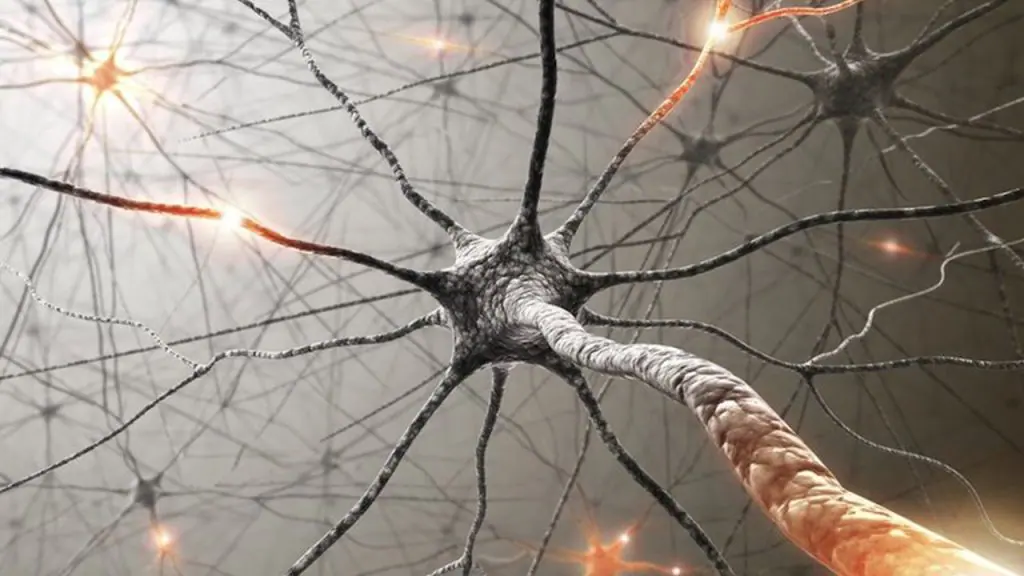
Normal Electrical Activity of the Brain: The human brain is made up of billions of nerve cells called neurons. These neurons communicate with each other through electrical and chemical signals. The electrical activity of the brain in a normal state has regular patterns that control thoughts, emotions, movements, and other bodily functions.

Abnormal Electrical Activity in Epilepsy: In people with epilepsy, a group of neurons in a particular area of the brain undergoes sudden, abnormal electrical activity. This abnormal activity turns into a storm of electrical activity, which is called a seizure.

Causes of Abnormal Electrical Activity: Various causes can lead to abnormal electrical activity in the brain and, ultimately, seizures, including:

Genetic Mutations

Brain Injuries

Congenital Abnormalities

Autoimmune Diseases

Developmental Disorders

Types of Seizures: The type of seizure depends on the location of the onset of abnormal electrical activity in the brain and how it spreads to other parts of the brain. There are different types of seizures, each with its own specific signs and symptoms.

Consequences of Seizures: Seizures can cause a wide range of neurological signs and symptoms, including sudden loss of consciousness, muscle stiffness, shaking, sensory disturbances, hallucinations, and mood changes. In some cases, seizures can lead to brain damage or even death.

Diagnosis of Epilepsy: The diagnosis of epilepsy is based on the patient’s history, physical examination, and various tests including EEG, brain imaging, and blood tests.

Treatment of Epilepsy: The treatment of epilepsy depends on the type of epilepsy, the severity of symptoms, and other factors. There are different treatments for epilepsy, including medications, surgery, and vagus nerve stimulation.

Prognosis of Epilepsy: The prognosis of epilepsy can vary in different people. Some people can completely control their seizures with appropriate treatment, while others may experience recurrent seizures and medication side effects.

Overall, a deeper understanding of the mechanism of epilepsy is of great importance and can have many effects on the recovery of patients.

The Difference Between Seizure and Epilepsy

Seizure and epilepsy are two terms that are often used interchangeably, but in fact, they are separate concepts with their own nuances. A correct understanding of the distinction between these two concepts is important not only for healthcare professionals but also for the general public.

Seizure
A seizure is a sudden disturbance in the electrical activity of the brain that leads to behavioral, sensory, or motor changes. This transient state can occur in any area of the brain, and its symptoms will vary depending on the affected area. A seizure can manifest as involuntary muscle movements, sensory changes such as seeing lights or hearing strange sounds, or even a disturbance in the level of consciousness and memory.

Epilepsy
In contrast, epilepsy is defined as a chronic brain disorder characterized by a predisposition to recurrent seizures. This predisposition is due to abnormal and continuous activity of nerve cells in the brain. Epilepsy is associated with a wide range of causes, including genetics, brain injury, stroke, and infection.


Conclusion

Finally, in this article, we have discussed and explored the condition of epilepsy in depth. Epilepsy is a complex condition with different dimensions that can significantly affect the lives of those living with it. However, a deeper understanding of this condition, including its causes, mechanisms, symptoms, and treatments, helps us better manage it and improve the quality of life of patients.